The Most Challenging Wine Names To Pronounce
There are so many types of wine that it’s easy to say their names incorrectly without even noticing. I’ve mispronounced plenty myself. Even when I say them slowly, the words don’t come out right.
Chardonnay is quite simple to pronounce; however, names such as the sweet Gewurztraminer or the earthy Sangiovese are much trickier. Even someone who speaks well might struggle to pronounce Gewürztraminer. The way the letters are arranged makes it challenging.

It’s not just a few people making mistakes—thousands have researched how to enunciate their favorite wines online. It’s always better to do your homework than to continue saying a word incorrectly on purpose.
Cabernet Sauvignon And Other Wine Names People Struggle To Pronounce
In honor of National Drink Wine Day, which is observed on February 18th, the research team at the language-learning website Anna Spanish rummaged through Google data to determine which wine names generate the most searches for pronunciation assistance.
The leading candidates for the most mispronounced title are, unsurprisingly, French. Cabernet Sauvignon is the most mispronounced wine in the world, with an average of 45,270 people seeking pronunciation tips on Google each month. At first, I had trouble pronouncing this wine, particularly its last name.
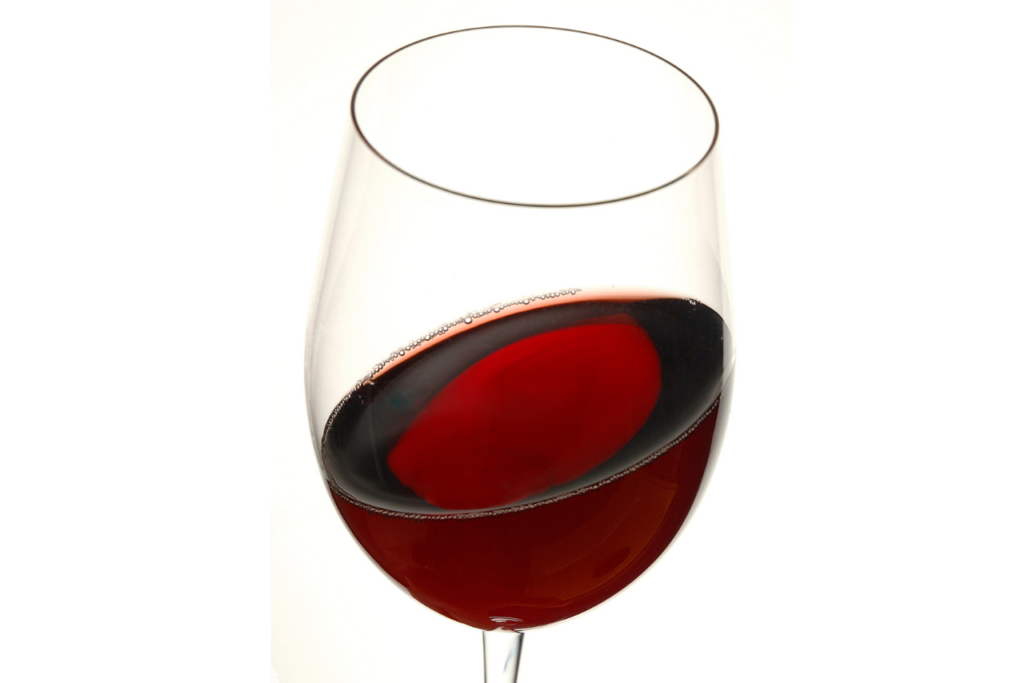
Pinot Noir ranks second with an average monthly search of 43,580, while Cabernet Sauvignon ranks third with 29,520 searches. Pinot Noir remains a difficult word for me to pronounce. It appears to be a simple name to articulate, but once you attempt it, you’ll stutter.
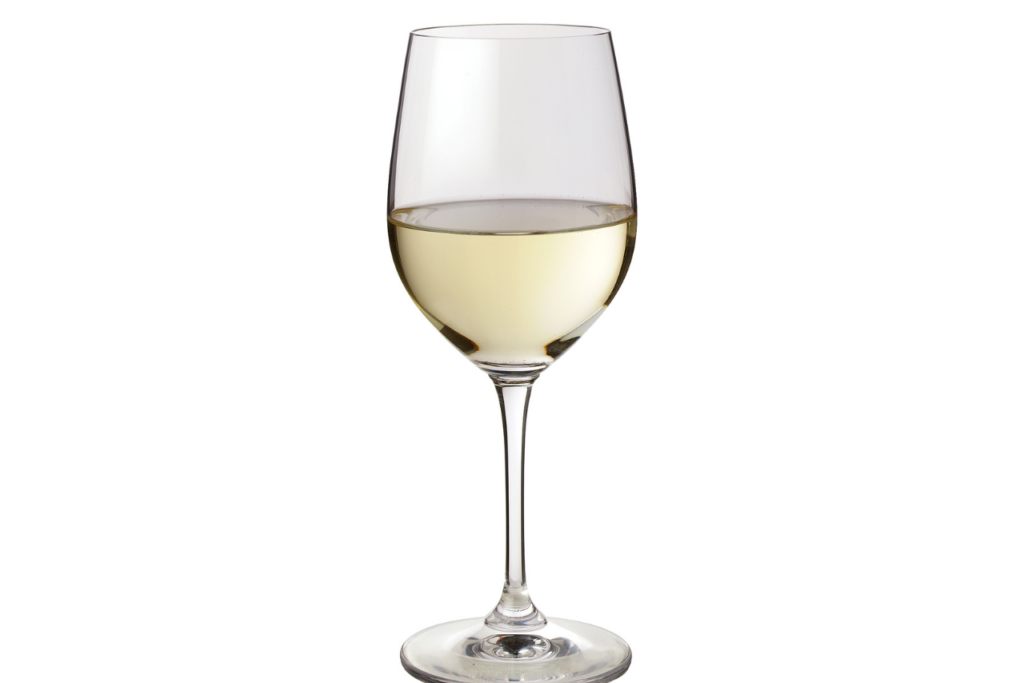
In terms of monthly searches, Pinot Grigio and Merlot ranked fourth and fifth, respectively, with 17,150 and 13,530 searches per month. It’s vital to practice pronouncing names properly so that when you go to a restaurant and place an order for a particular wine, or to a liquor store and ask a staff member if they carry a specific wine, they’ll understand what you’re asking for.

Other commonly mispronounced wine names include Malbec (pronounced mal-bek), Prosecco (pronounced proh-SEHK-koh), Sangiovese (pronounced SAN-joe-veh-see), and Riesling (pronounced rees-ling).
Learning The Language Patterns Behind Wines Like Tempranillo
According to language expert Anna Latorre of Anna Spanish, the key to handling challenging wine pronunciations is to get acquainted with the general phonetic patterns of the language of origin.
Sauvignon Blanc (pronounced’soh-VIN-yohn blan’) and Cabernet Sauvignon (pronounced ‘kab-er-nay soh-VIN-yohn’) both have a few letters that should remain silent when spoken aloud.
For Tempranillo, Spanish pronunciation standards apply, with “ll” pronounced as a “y.”
Albariño is pronounced “ahl-bah-REE-nyoh,” with the “ñ” representing a palatal nasal sound similar to “ni” in onion.
In the Italian wine “Sangiovese,” the “gio” is pronounced as “joe,” rather than with a harsh “g” or silent “i,” as English listeners would expect.
Anna’s take on the phonetic techniques that support the linguistic roots of these wine names is new to me, but incredibly useful. I had no idea that so much information existed, and as a wine enthusiast who struggles with pronouncing certain wines, the information above will help me avoid mispronunciations moving forward.
Methodology
Anna Spanish’s research team evaluated Google data to see which wine names prompted the most consumers to seek pronunciation advice online.
To do this, researchers gathered a list of over 80 prominent wines and evaluated the number of searches for each wine along with phrases such as “how to pronounce Wine,” “Wine pronunciation,” and “how to say Wine”.